



Core Closed-Cell Foam Materials: EVA, PE and XPE Explained
Aug 28, 2026
Leave a message
Closed-Cell Foam Materials: The Buyer's Guide to Sourcing EVA, PE & XPE Foam
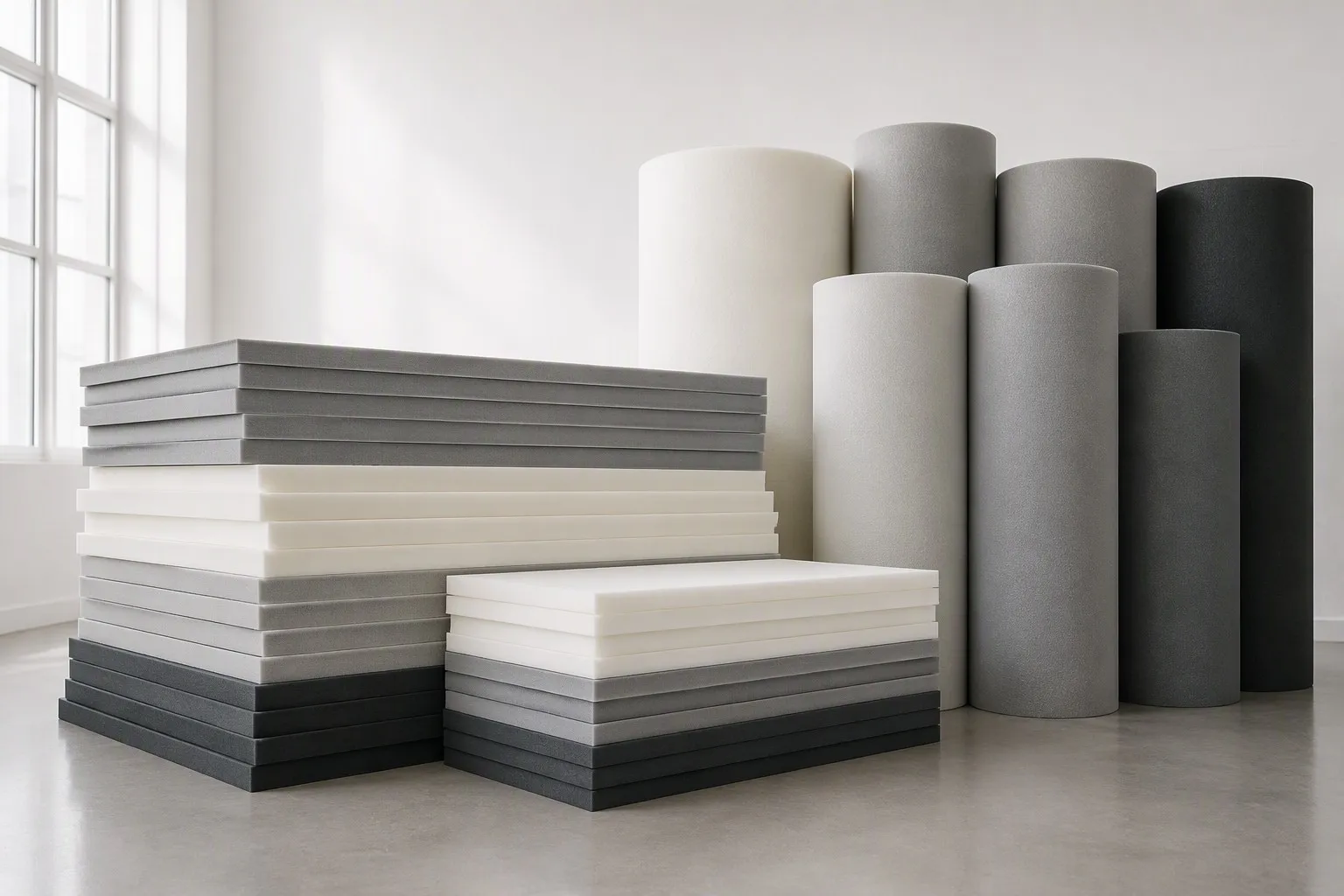
This guide covers the core material properties, key application scenarios, critical sourcing criteria and the advantages of partnering with a leading China-based foam manufacturer - so you can make informed, low-risk procurement decisions.
1 Core Closed-Cell Foam Materials: EVA, PE and XPE Explained
Understanding the structural and performance differences between each foam type is the first step to matching a material to your product requirements.
1.1 EVA (Ethylene-Vinyl Acetate) Foam
EVA foam is a flexible, rubber-like closed-cell foam widely recognised for its excellent shock absorption, cushioning and resilience. The vinyl acetate (VA) content can be adjusted to modify softness, elasticity and adhesion, making EVA highly tunable across formulations.
Sourcing note: unstabilised EVA yellows and degrades under prolonged UV exposure. If your product sees outdoor use, specify a UV-stabilised EVA grade rather than assuming standard EVA is UV-resistant.
1.2 PE (Polyethylene) Foam
PE foam (including LDPE foam) is a semi-rigid, cost-effective closed-cell foam with outstanding chemical resistance and dimensional stability. It performs consistently across wide temperature ranges and is the workhorse material for high-volume, price-sensitive applications.
1.3 XPE (Cross-Linked Polyethylene) Foam
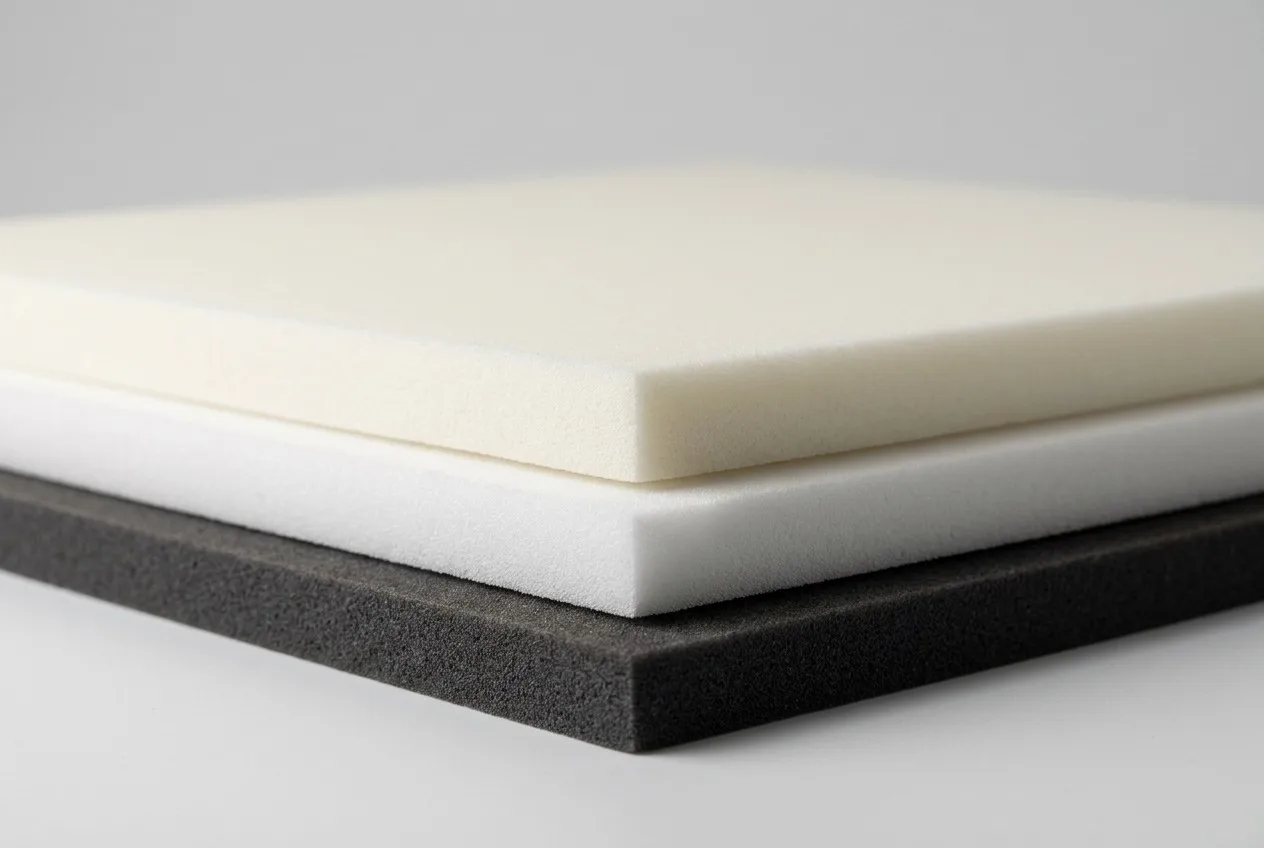
XPE foam is an upgraded PE foam whose molecular structure has been cross-linked to create a finer, more uniform closed-cell network. Standard XPE is produced through chemical cross-linking; irradiation (electron-beam) cross-linked grades - often labelled IXPE - deliver the finest, most consistent cell structure. Compared with standard PE foam, XPE offers higher tear strength, better thermal stability, a smoother surface finish and superior long-term ageing resistance.
| Property | EVA | PE | XPE |
|---|---|---|---|
| Feel | Soft, rubber-like | Semi-rigid | Firm, premium finish |
| Shock absorption | Excellent | Good | Very good (higher strength) |
| Chemical & moisture resistance | Good | Excellent | Excellent |
| Thermal stability | Moderate | Good | Best |
| Relative cost | Medium | Lowest | Higher |
| Best fit | Footwear & fitness cushioning | Packaging, gaskets, insulation | Premium equipment & premium packaging |
2 Key Industrial Applications (4 Core Fields)
Closed-cell foams serve as critical functional components across multiple industries. Aligned with Firefox Foam's product matrix, these are the highest-demand application scenarios for global buyers:
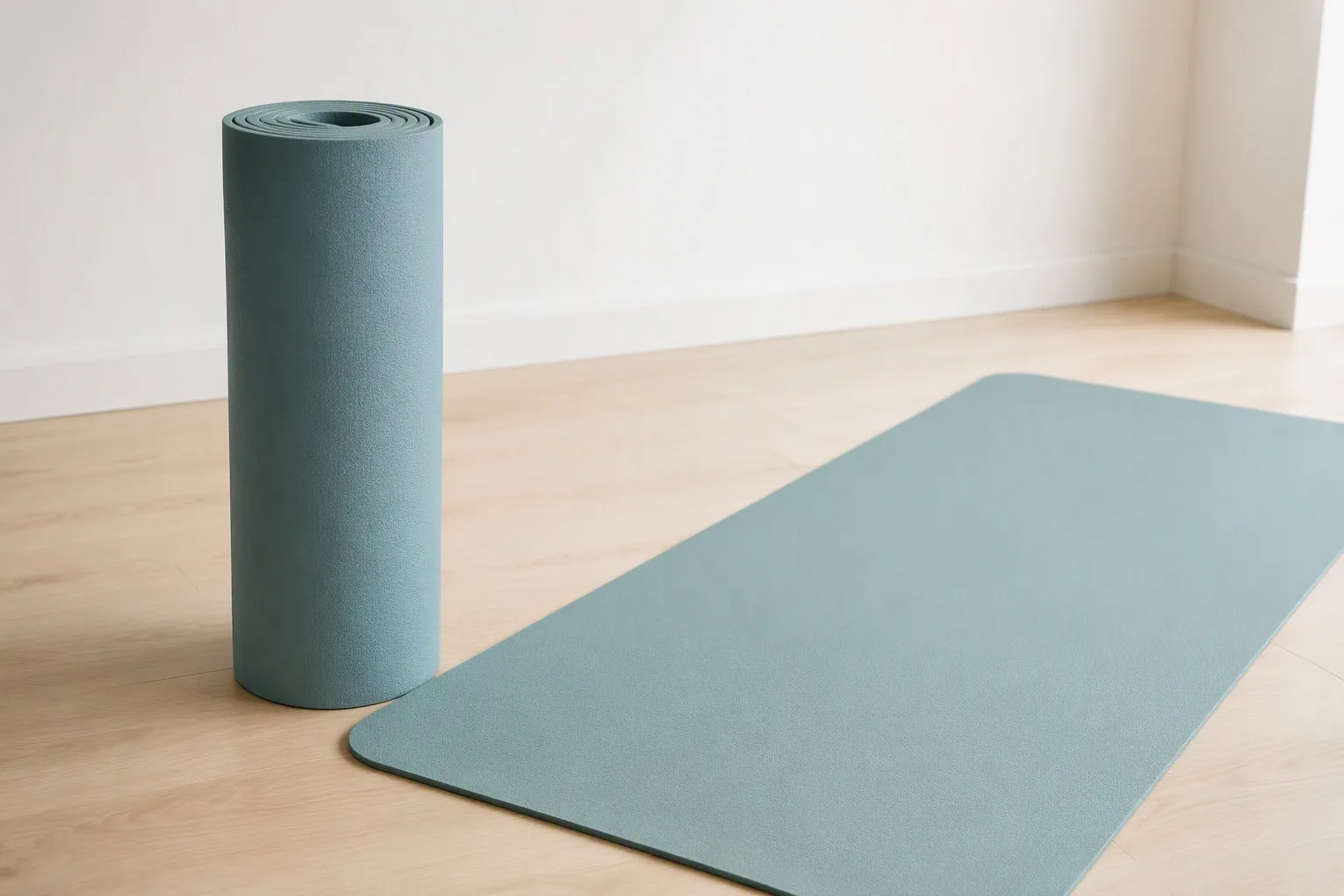
Midsole cushioning, insole padding, sock liners and collar padding for athletic shoes, casual footwear and work boots. EVA foam is the industry standard for footwear cushioning thanks to its lightweight rebound and formability. Note: rigid safety toes in work boots are normally steel or composite - foam provides cushioning and fit, not impact-toe protection.
Yoga mats, gym flooring tiles, equipment padding, helmet liners and camping mats. Non-slip texture options and shock absorption make foam essential for fitness products.
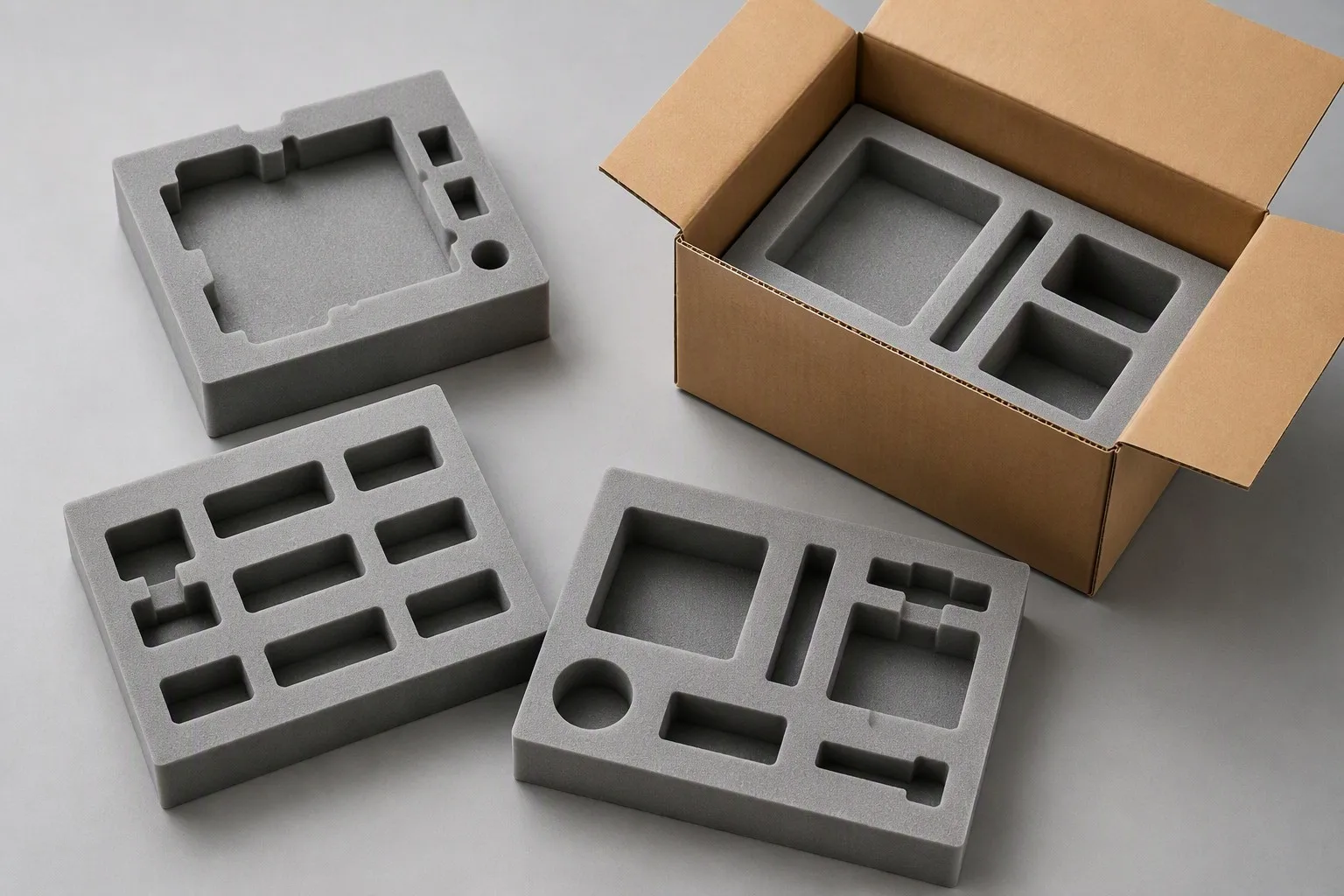
Custom die-cut inserts for electronics, glassware, hardware and consumer goods, protecting products from impact and vibration during transit. PE and XPE foam are widely used for dimensional stability and cost efficiency. For EU-destined goods, packaging foams must also meet the PPWR substance limits and support recyclability assessment - Firefox Foam supplies PPWR-aligned packaging grades with full test documentation.
Soft building blocks, educational play mats, protective components and toy packaging. Safety-certified foam materials - tested to EN71, CPSIA and the EU formamide requirements that apply to foam mats - meet the standards for children's products.
3 Critical Sourcing Criteria for Industrial Buyers
When sourcing foam materials for mass production, prioritise these six factors to avoid quality issues, compliance risks and supply-chain delays.
Verify the manufacturer can tightly control the core parameters:
- Density: 30–300 kg/m³ (1.87–18.73 lb/ft³) depending on grade
- Hardness: Shore A 10–80
- Thickness tolerance: ±0.1 mm to ±0.5 mm (±0.004" to ±0.02") depending on grade
Batch-to-batch consistency is critical: deviations cause assembly-line disruption and inconsistent product performance.
For global markets, ensure materials meet the applicable standards and come with valid third-party test reports:
- EU: REACH (SVHC screening; formamide emission limits under Annex XVII entry 52 apply to foam mats), EN71 toy safety, RoHS 2.0 where relevant
- US: CPSIA (lead & phthalates), California Proposition 65
- Packaging grades: EU PPWR - heavy metal limits, PFAS limits for food-contact foam, and recyclability documentation
Reputable manufacturers provide valid test certificates with every shipment.
Beyond raw rolls and sheets, confirm whether the supplier offers in-house secondary processing:
- Die cutting, slitting, lamination and thermoforming
- Custom colour matching, surface patterning and adhesive backing
- Free mould opening for custom designs (subject to order terms)
A one-stop provider reduces total logistics cost and shortens lead times.
For volume orders, ensure the factory has sufficient extrusion lines and press capacity to match your schedule:
- Standard bulk rolls: 7–15 days
- Custom die-cut / moulded parts: 15–25 days
- Samples: 3–7 days
Multi-country manufacturing bases also provide supply-chain resilience for tariff and logistics optimisation.
A low unit price alone often hides costs from material waste, production rejections and delivery delays. Evaluate total cost by factoring in:
- Material yield rate and dimensional accuracy
- Packaging efficiency and container utilisation
- Long-term defect rate and after-sales support
Different production stages require different order volumes. A reliable supplier should support:
- Small-batch trial orders for product development
- Full-container-load (FCL) bulk production for mass manufacturing
- Scalable order quantities as your business grows
4 Why Partner with Firefox Foam?
As one of China's leading EVA foam manufacturers, Firefox Foam builds an efficient, flexible and reliable global supply chain for clients worldwide. Here is what sets us apart:
All our products pass REACH, RoHS 2.0, EN71 and formamide tests, and packaging grades meet the EU PPWR requirements. Our technical team has also contributed to the development of China's national quality standard for EVA foam materials - bringing industry-leading quality control to every batch.
We offer free custom mould opening (subject to order terms), plus thousands of wood-grain and pattern options to match your product design. Our professional design team supports full OEM/ODM services from material formulation to finished parts.
We are a long-term supplier to major retailers including Walmart, Target, LIDL and Costco, and have supplied foam materials to renowned footwear brands including Skechers and PUMA. Our products are widely used across European and American markets.
Our experienced international trade team handles full documentation, shipping arrangements and customs clearance, with responsive after-sales support so you never have to worry about post-purchase issues.
5 Frequently Asked Questions
Conclusion
Choosing the right foam material and supplier directly affects your product quality, production efficiency and market compliance. EVA foam excels at flexible cushioning; PE foam delivers cost-effective bulk performance; XPE foam provides premium durability for demanding applications.
For global buyers sourcing from Asia, partnering with an experienced, compliance-focused manufacturer like Firefox Foam ensures consistent quality, regulatory peace of mind and reliable lead times at competitive pricing.
Contact the Firefox Foam team today for a free material consultation, sample testing and a detailed quotation.
We support OEM/ODM orders worldwide and provide full technical support from product design to mass production.