


 250000㎡ Factory Area 90+ Press Machines & Equipments



Shoe Material Manufacturer & Wholesale Supplier
Complete high-performance footwear foam solutions - CMEVA midsoles, supercritical SCF energy-return foams, breathable high-resilience PU insoles, molded memory footbeds, and durable rubber outsole compounds engineered for athletic footwear, outdoor boots, recovery slides, and work shoes.

Footwear Component Partner & Custom Shoe Material Manufacturer
Quanzhou Firefox New Material Co., Ltd. is a global leader in athletic and casual footwear materials established in 1981. With advanced manufacturing campuses in China, Indonesia, and Vietnam, we are an approved OEM/ODM supply partner to world-renowned brands including Skechers, PUMA, Walmart, Target, LIDL, and Costco. Our full-chain footwear capabilities span custom polymer formulation, supercritical nitrogen/CO₂ physical foaming, compression molding (CMEVA/IMEVA), automated PU pouring, multi-layer insole lamination, and precision CNC outsole tooling, delivering superior energy return, lightweight comfort, and flex fatigue durability.
40+ years footwear heritage
Deep technical expertise in polymer compounding, biomechanical cushioning, and footwear mass production since 1981.
Full footwear material matrix
Integrated manufacturing across EVA, Supercritical SCF, Polyurethane (PU), and vulcanized Rubber sole materials.
High rebound & ultra-lightweight
Industry-leading energy return (up to 85% with SCF) and ultra-low density (0.08–0.25 g/cm³) without sacrificing stability.
End-to-end OEM / ODM tooling
Rapid 3D CAD/CAM mold development, multi-hardness sole injection, antibacterial fabric bonding, and retail packaging.


Shoe Material Manufacturing Footprint & Global Capacity
Three international manufacturing bases operating under strict ISO 9001 and ISO 14001 quality management systems. Our strategically located factories in China, Indonesia, and Vietnam allow global footwear brands and OEM assemblers to optimize production lead times, mitigate tariff barriers, and scale mass production reliably.
China - Quanzhou, Fujian
Global headquarters and primary footwear R&D center. Equipped with high-tonnage compression molding presses, injection molding machinery (IMEVA), supercritical SCF autoclave lines, and high-precision CNC tooling workshops.
Indonesia
High-capacity production facility dedicated to Southeast Asian footwear manufacturing clusters, providing localized supply and rapid container shipping to Asia-Pacific and Australian markets.
Vietnam
Advanced footwear component manufacturing hub providing duty-optimized export channels for leading US and European athletic, casual, and outdoor footwear brands.
Inside Our Shoe Material Production Lines
Fully integrated polymer compounding, precision bun foaming, automated compression & injection molding, and computerized splitting lines.
Banbury & Kneader Compounding
Computer-controlled high-shear internal mixers ensuring homogeneous dispersion of polymers, blowing agents, crosslinking agents, and functional color masterbatches.
CMEVA & IMEVA Molding
Automated multi-station compression presses and multi-injector rotary injection machines ensuring uniform cell structure, precise dimensions, and minimal shrinkage.
Supercritical SCF Autoclaves
High-pressure physical foaming vessels utilizing nitrogen (N&sub2;) and carbon dioxide (CO&sub2;) to produce ultra-lightweight, high-rebound microcellular shoe components.
Biomechanics & Testing Lab
Comprehensive in-house testing facilities equipped with SATRA TM142 insole fatigue testers, ASTM D3574 rebound meters, and DIN 53516 abrasion testing equipment.
What Are High-Performance Shoe Materials?
Shoe materials encompass an engineered spectrum of elastomeric, cross-linked, and microcellular polymers formulated specifically to deliver targeted biomechanical performance across midsoles, insoles, outsoles, and footbeds.
Modern footwear engineering demands precise synergy between weight reduction, mechanical shock attenuation, elastic energy return, dynamic flex fatigue endurance, and slip resistance. Firefox Foam manufactures a comprehensive matrix of footwear foam technologies, including Compression-Molded EVA (CMEVA), Injection-Molded EVA (IMEVA), Supercritical Fluid Foamed Polymers (SCF PEBA/TPU/EVA), High-Resilience Open-Cell Polyurethane (PU), Slow-Recovery Viscoelastic Memory Foam, and Vulcanized Rubber Compounds.
By fine-tuning polymer chain morphology, crosslink density, and microcellular expansion, our footwear engineering team customizes exact hardness (20C–80C), density (0.09–0.60 g/cm³), and rebound resilience (>55% to >80%) to meet the stringent specifications of global athletic, work safety, outdoor, and lifestyle shoe brands.
Who Buys Firefox Shoe Materials?
- Global athletic & running footwear brands (OEM/ODM)
- Performance midsole & outsole molders and converters
- Orthopedic arch-support & diabetic insole manufacturers
- Work safety shoe & military boot assemblers
- Recovery slide, sandal, and flip-flop brand owners
- Footwear raw material importers and regional distributors
Shoe Material Product Categories & Applications
From marathon running midsoles and high-rebound insoles to heavy-duty safety outsoles and comfortable recovery slides, our footwear foam range covers every functional layer of modern shoe construction.

High-Resilience Insole Foams (EVA & Open-Cell PU)
High-rebound, breathable insole foam sheets and pre-molded footbeds engineered for dynamic shock absorption, moisture management, and low compression set under high-mileage walking and running.

CMEVA & IMEVA Midsole Foam Sheets & Blanks
Precision-expanded compression and injection molded EVA midsole materials offering tailored shore hardness (35C–60C), consistent cell density, and exceptional flex fatigue resistance for athletic footwear.

Supercritical SCF Energy-Return Midsole Foam
Physical supercritical nitrogen/CO&sub2; foamed PEBA, TPU, and EVA materials achieving >75%–85% energy return, ultra-lightweight density (0.09–0.14 g/cm³), and zero chemical blowing agent odor.

Slipper, Sandal & Recovery Slide Sole Material
Durable, non-slip, and ultra-plush single-density and dual-density molded EVA/rubber sheets engineered for casual slides, hotel slippers, beach flip-flops, and ergonomic recovery footwear.
Why Shoe Brands Specify Firefox Foam Materials
Engineered formulations backed by four decades of polymer research deliver unmatched consistency, comfort, durability, and factory moldability.
High Energy Return (>60% to >80%)
Proprietary polymer crosslinking and supercritical physical foaming technologies provide dynamic propulsion and responsive step-in feel for high-performance athletic footwear.
Ultra-Low Compression Set (<5% to <15%)
Engineered elastomeric cellular structure resists permanent pack-out, preserving insole cushioning and midsole arch geometry over hundreds of thousands of gait cycles.
Featherlight Density (0.09–0.25 g/cm³)
Significantly reduces overall shoe weight without sacrificing structural integrity, tear strength, or bottom-out resistance, maximizing runner endurance and consumer comfort.
Superior Abrasion & Flex Resistance
Excellent flex crack resistance exceeding 100,000 cycles at -10°C (SATRA TM60 / TM161) and low DIN volume loss (<100 mm³) for high-wear outsole and slide applications.
Tight Tolerance & Excellent Moldability
Stable dimensional shrinkage (<1.5%), smooth surface skin, and excellent adhesion compatibility with water-based and solvent-based polyurethane footwear adhesives.
Global Chemical & Eco Compliance
100% free of prohibited phthalates, heavy metals, formaldehyde, and formamide (<10 ppm / 0 ppm), certified under REACH SVHC, RoHS, OEKO-TEX Standard 100, and CPSIA.
Shoe Material Technical Data Sheet (TDS)
Comprehensive physical and mechanical properties across Firefox Foam footwear material categories. Custom formulations available upon request.
Mechanical & Physical Properties
| Property | Standard Specification |
|---|---|
| Available Polymer Bases | EVA, Supercritical PEBA/TPU, Open-Cell PU, Rubber Blends |
| Shore Hardness Range | 20C – 80C (Asker C) / 15 – 65 (Shore A) |
| Apparent Density | 0.09 – 0.60 g/cm³ (90 – 600 kg/m³) |
| Rebound Resilience (Ball Rebound) | 50% – 85% (ASTM D3574 / DIN 53512) |
| Compression Set (50%, 22h, 23°C) | ≤ 5.0% (PU) / ≤ 18.0% (CMEVA) (ASTM D395B) |
| Tensile Strength | ≥ 1.8 – 4.5 MPa (ASTM D412 / ASTM D3574) |
| Elongation at Break | ≥ 200% – 450% (ASTM D412) |
| Split Tear Strength | ≥ 2.5 – 6.0 N/mm (ASTM D624 Die C) |
| DIN Abrasion Resistance (Outsole) | ≤ 90 – 140 mm³ loss (DIN 53516 / ISO 4649) |
| Flex Cracking Resistance | > 100,000 cycles without crack (SATRA TM60) |
| Thermal Shrinkage (70°C, 24h) | ≤ 1.0% – 1.8% (SATRA TM70) |
| Formamide Content | < 10 ppm (Regular) / 0 ppm (Supercritical SCF) |
Supply Dimensions & Processing Formats
| Specification | Production Capability |
|---|---|
| Sheet / Bun Length | 1000mm – 3000mm (Standard: 1000×2000mm, 1200×2400mm) |
| Sheet / Bun Width | 1000mm – 1500mm (Custom dimensions available) |
| Thickness Range | 1.0mm – 100mm (Skived & split tolerance ±0.15mm) |
| Pre-Formed Components | Die-cut insole blanks, compression molded soles, CNC contoured parts |
| Surface Textures & Finishes | Smooth skin, diamond grip, fine sand, knurled tread, ribbed bottom |
| Color Matching | Custom Pantone, translucent, dual-color marbling, speckle eco-granules |
| Lamination Capabilities | Mesh fabric, velvet, mesh knit, TPU film, conductive carbon scrim |
| Adhesive Backing | Transfer tape, water-based acrylic, hot-melt adhesive films |
| Certifications | ISO 9001, ISO 14001, OEKO-TEX Standard 100, REACH, RoHS |
| Export Packaging | Heavy-duty PE protective wrapping, moisture-proof film, master pallets |
* Note: Physical values represent typical laboratory testing results. Custom formulation tuning (density, hardness, rebound, flex modulus) is available for high-volume OEM programs.
Footwear Foam Technologies Compared
Evaluate key performance characteristics across shoe midsole, insole, and outsole material options to select the ideal polymer system for your shoe line.
| Performance Metric | Supercritical (SCF) Foam | Compression EVA (CMEVA) | Open-Cell PU Foam | Vulcanized Rubber | Standard PVC Foam |
|---|---|---|---|---|---|
| Primary Footwear Role | Elite Running Midsoles | Athletic & Casual Midsoles | Comfort & Sports Insoles | Durable Outsoles | Low-End Slipper Soles |
| Rebound Resilience | Exceptional (>75%–85%) | Good (50%–60%) | Very High (60%–70%) | Moderate (45%–55%) | Poor (<25%) |
| Weight / Density | Ultra-Light (0.09–0.14 g/cm³) | Light (0.15–0.24 g/cm³) | Medium (0.20–0.35 g/cm³) | Heavy (1.10–1.25 g/cm³) | Heavy (0.50–0.80 g/cm³) |
| Compression Set Resistance | Superior (<8%) | Moderate (<18%) | Outstanding (<4%) | Excellent (<10%) | Poor (>35% pack-out) |
| Breathability & Air Permeability | Closed-cell (Non-breathable) | Closed-cell (Non-breathable) | Open-cell (High airflow) | Solid (Impermeable) | Closed-cell (Non-breathable) |
| Abrasion & Wear Endurance | Moderate (Requires Outsole) | Good for light walking | Insole layer protection | Exceptional (DIN <100 mm³) | Fast wear & cracking |
| Chemical Residue / Odor | Zero (Physical N&sub2;/CO&sub2;) | Low (<10 ppm Formamide) | Low (Low-VOC systems) | Mild vulcanization odor | High (Phthalate plasticizers) |
Customizable Grades & Functional Additives
Our materials science team custom-engineers polymer blends and functional additive packages to meet precise footwear performance criteria.
Polymer Blending Matrices
Formulations incorporating pure EVA, metallocene POE (polyolefin elastomers), high-vinyl acetate copolymers, EPDM rubber tougheners, and thermoplastic elastomers.
Supercritical SCF Systems
Physical nitrogen and carbon dioxide microcellular foaming applied to pure PEBA (block polyether amide), aliphatic TPU, and modified EVA polymer matrices.
Open-Cell Polyurethane Systems
Polyether-based and polyester-based elastomeric PU systems formulated for superior hydrolytic stability, microbial resistance, and high-frequency welding.
Functional Masterbatches
Incorporation of anti-microbial silver ion agents, activated bamboo charcoal for odor absorption, ESD anti-static compounds, and UV light stabilizers.
End-to-End Shoe Material Production Process
Strict automated process control from raw polymer compounding to final split inspection guarantees uniform batch-to-batch physical properties.
Raw Material Weighing & QC
Automated pneumatic dosing of polymers, fillers, crosslinkers, and blowing agents with gravimetric precision ±0.1% to eliminate formulation deviations.
Internal Banbury Mixing
High-shear thermal compounding at controlled melt temperatures ensures thorough mastication and homogeneous dispersion of all active ingredients.
Two-Roll Sheeting & Calendering
Continuous twin-roll milling refines the compound into uniform pre-cured slabs or precision pellets calibrated for compression and injection molds.
Press Curing & Microcellular Expansion
High-tonnage hydraulic presses or supercritical autoclaves trigger rapid microcellular foaming under precise pressure-release cycles.
Post-Cure Annealing & Stabilization
Thermostatically controlled tempering tunnels eliminate internal molding stresses, ensuring long-term dimensional stability and minimal post-shrinkage.
Precision Skiving & CNC Trimming
High-speed loop splitters and CNC waterjet/laser cutting machinery convert master buns into exact-thickness sheets, rolls, and molded soles.
Rigorous In-House Quality Assurance & Biomechanical Testing
Every production lot undergoes comprehensive physical, mechanical, and chemical validation in our accredited footwear testing laboratory.
SATRA TM142 Insole Walking Fatigue
Dynamic mechanical impact simulation measuring compression resistance and energy loss over 100,000 continuous compression cycles.
ASTM D3574 Ball Rebound Resilience
Precision vertical drop rebound testing quantifying exact percentage energy return to verify responsiveness across running midsole grades.
DIN 53516 / ISO 4649 Abrasion Resistance
Rotating cylinder abrasive paper testing measuring exact material volume loss (mm³) to guarantee high-wear outsole durability.
ASTM D395 Compression Set
Constant deflection compression testing at ambient (23°C) and elevated temperatures (50°C/70°C) measuring permanent deformation resistance.
SATRA TM60 Flex Crack Resistance
Bending endurance testing exceeding 100,000 flexes at -10°C and 23°C to ensure zero crack initiation at critical midsole flex grooves.
GC-MS & Chemical Compliance Screening
Gas chromatography-mass spectrometry testing screening for formamide, DMFa, phthalates, organotins, PAHs, and heavy metals per global RSL standards.
Certified to International Footwear & Environmental Standards
Firefox Foam materials meet the rigorous restricted substance list (RSL) and factory audit standards of leading global footwear brands.
ISO 9001:2015 & ISO 14001:2015
Certified quality and environmental management systems governing all manufacturing processes in China, Indonesia, and Vietnam.
OEKO-TEX Standard 100 (Class I)
Certified free from harmful substances and safe for direct skin contact across insole, lining, and sandal materials.
REACH SVHC & RoHS 2.0 Compliant
Full testing verification through SGS, TÜV, and Intertek confirming zero restricted substances exceeding threshold limits.
CertiPUR-US & California Prop 65
Low VOC emissions, zero ozone depleting blowing agents, and complete absence of reproductive toxins and carcinogens.
OEM & ODM Custom Footwear Development Workflow
From rapid 3D CAD modeling and prototype mold casting to full-scale automated mass production, our footwear engineering team supports your complete product lifecycle.
Requirement Analysis & Spec Formulation
Target hardness, rebound percentage, density, weight limit, and aesthetic styling defined in close collaboration with brand designers.
Rapid Prototyping & Mold Tooling
In-house CNC aluminum and epoxy tooling producing functional prototype soles and insoles within 3 to 7 working days.
Biomechanical & Wear Testing
Lab verification of tensile strength, split tear, flex cracking, abrasion loss, and insole compression set prior to mold sign-off.
High-Volume Mass Manufacturing
Multi-cavity production tooling and automated molding carousels delivering monthly capacities exceeding 1.5 million pairs.
Export-Grade Protective Packaging & Logistics
Engineered packaging solutions ensure that delicate foam sheets, buns, and molded soles arrive at your footwear assembly plants in pristine condition.
Moisture-Barrier Protective Wrapping
Heavy-duty LDPE waterproof film wrapping and UV-resistant poly woven sacks protect foam sheets against humidity, dust, and transit abrasion.
High-Density Compressed Baling & Pallets
Optional hydraulic vacuum compression packaging maximizes container loading volume, reducing ocean freight costs per pair by up to 30%.
Multi-Port Global Dispatch
Direct containerized shipments from Xiamen/Fuzhou (China), Jakarta/Surabaya (Indonesia), and Ho Chi Minh/Haiphong (Vietnam) ports.
Footwear Material Procurement Checklist
Key technical parameters and commercial specifications to determine when requesting quotations or initiating custom foam development:
- Application & Target Category: Running midsole, casual sneaker, hiking boot, safety shoe insole, recovery slide.
- Polymer Formulation: Supercritical SCF (PEBA/TPU/EVA), CMEVA, IMEVA, Open-Cell High-Resilience PU, Rubber.
- Hardness & Density Target: Shore / Asker C rating (e.g. 40C–45C for insole, 50C–55C for midsole) and g/cm³.
- Mechanical Performance Requirements: Minimum rebound percentage (>65%), maximum compression set (<10%), DIN abrasion (<120 mm³).
- Dimensions & Delivery Format: Master buns, skived sheets (thickness ±0.15mm), die-cut blanks, or finished molded soles.
- Surface Treatment & Lamination: Raw skin, buffed surface, fabric laminated (mesh/velvet), or conductive scrim.
- Regulatory & Brand RSL Standards: Formamide limits (<10 ppm / 0 ppm), REACH SVHC, OEKO-TEX Standard 100, CPSIA.
- Production Base Preference: China (Fast R&D/Tooling), Indonesia (Regional Asia supply), Vietnam (US/EU Tariff optimization).
Sustainable Footwear Foaming & Eco Solutions
Committed to reducing the environmental footprint of global footwear manufacturing through bio-based polymers, physical foaming, and in-plant recycling.
Bio-Based & Sugarcane EVA (Bio-EVA)
Formulations incorporating up to 30%–50% bio-based carbon derived from sustainably harvested sugarcane, reducing petrochemical dependency and product carbon footprint.
Supercritical Physical Foaming (Zero Chemical Agents)
100% replacement of chemical blowing agents (AC/ADC) with inert supercritical N&sub2; and CO&sub2; gases, resulting in zero toxic decomposition residues, zero formamide, and zero VOCs.
Closed-Loop Trim Recycling
Post-industrial edge trimmings and flashings are granulated, micronized, and re-compounded into high-performance recycled footwear underlayments and speckle midsoles.
Footwear OEM / ODM Case Studies
Real-world footwear engineering success stories demonstrating material innovation, cost reduction, and performance breakthroughs.
Elite Marathon Racing Shoe
Developed ultra-lightweight Supercritical SCF PEBA midsoles (density 0.11 g/cm³, rebound 82%) for a premium athletic running brand, reducing shoe weight by 45g while increasing energy return by 28%.
High-Durability Work Safety Boot
Engineered dual-density CMEVA midsole and vulcanized rubber outsole combo meeting EN ISO 20344 impact cushioning, oil resistance, and <95 mm³ DIN abrasion wear life for industrial work boots.
Ergonomic Recovery Slide Footwear
Formulated ultra-plush, non-slip single-density molded EVA compound (hardness 38C±2, rebound 65%) with zero formamide (<5 ppm), achieving 2.2 million pairs annual export to North America and Europe.
Technical Documentation Available on Request
Access comprehensive engineering documentation, test reports, and compliance certificates for your footwear development programs.
- Shoe Material TDS & Mechanical Property Matrix (PDF)
- Supercritical SCF vs CMEVA Performance Comparison (PDF)
- SATRA TM142 Insole Dynamic Fatigue Test Reports
- DIN 53516 Outsole Abrasion Resistance Test Certificates
- OEKO-TEX Standard 100 Class I Full Test Certificates
- REACH SVHC & RoHS 2.0 Chemical Compliance Reports (SGS)
- Shoe Sole OEM Tooling & Mold Design Guidelines
- Bio-Based EVA & Recycled Content Carbon Footprint Data
Shoe Material Manufacturing & Wholesale FAQs
Find clear, technical answers regarding our footwear foam materials, manufacturing capabilities, sample policies, MOQs, testing, and export logistics.
Request Shoe Material Swatch Kit
Get a comprehensive sample box containing CMEVA midsole slabs, Supercritical SCF foam samples, breathable open-cell PU insole sheets, and technical data sheets.
Request Sample SwatchesCustom Shoe Tooling & Mold Consultation
Developing a new athletic sneaker, recovery slide, or work safety boot line? Send us your 3D CAD sole files for immediate mold engineering review and volume pricing.
Talk to a Footwear EngineerRelated High-Performance Foam Materials
Firefox Foam manufactures a complete spectrum of closed-cell and open-cell foams for global footwear and industrial applications:

EVA Foam Sheets & Rolls
Closed-cell ethylene vinyl acetate sheets, blocks, and molded footwear components with customizable hardness from 20C to 80C.
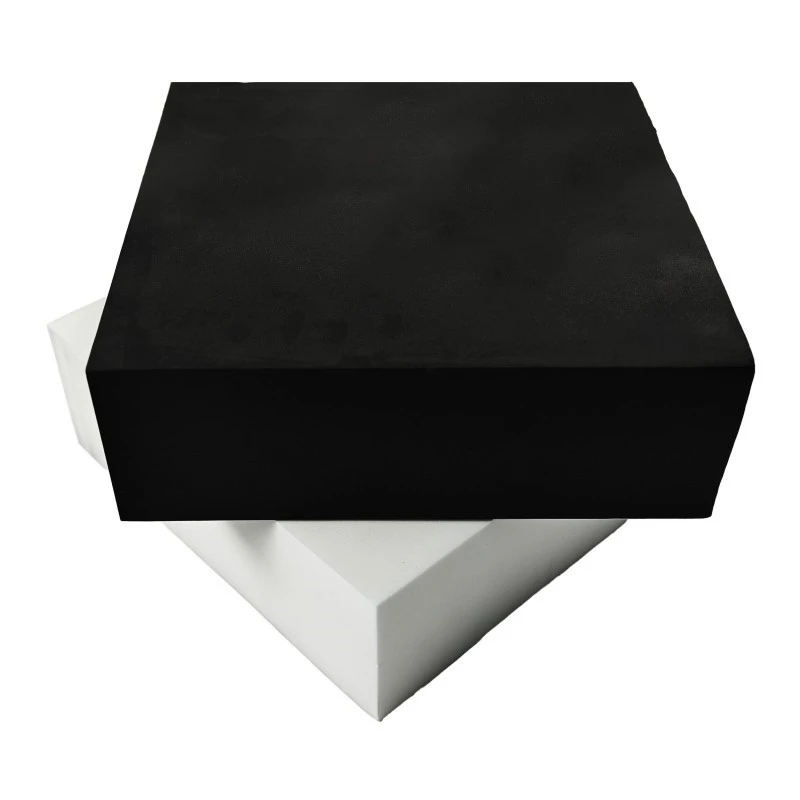
PE Foam (EPE / XPE / IXPE)
Physically and chemically cross-linked polyethylene foams for athletic cushioning, orthotics underlay, and protective packaging.

Rubber Foam (EPDM / CR)
High-abrasion synthetic and natural rubber sponge sheets, outsoles, and gaskets offering extreme wear endurance and wet traction.
Partner with an Experienced Shoe Material Manufacturer
Contact our footwear engineering sales team today for material data sheets, custom prototype sole tooling, or container-load factory pricing from China, Indonesia, and Vietnam.
Direct inquiry: info@firefoxfoam.com | +86-595-88888888
As one of the most experienced shoe material suppliers in China, we have world-leading production equipment and strong manufacturing capabilities. Please rest assured to wholesale customized shoe material from our factory. For price consultation, contact us.