


 250000㎡ Factory Area 90+ Press Machines & Equipments



PU Foam Manufacturer & Wholesale Supplier
Next-generation polyurethane foam solutions - high-resilience (HR) PU, memory foam, integral skin PU, breathable open-cell insole foam, and molded footwear components engineered for athletic shoes, ergonomic seating, automotive interiors, and protective gear.

Polyurethane (PU) Foam Solution Provider & Custom Insole Manufacturer
Quanzhou Firefox New Material Co., Ltd. is an industry-leading foam manufacturer and global exporter established in 1981. With production bases in China, Indonesia and Vietnam, we are an approved OEM/ODM supply partner to global retail and footwear brands including Walmart, Target, LIDL, Costco, Skechers, and PUMA. Specializing in polyether and polyester polyol formulation chemistry, high-pressure polyurethane metering, in-mold foaming, and CNC precision converting, we supply premium high-resilience PU insoles, viscoelastic memory foams, integral skin molded parts, and acoustical PU sheets with zero ODP and ultra-low VOC emissions.
40+ years polyurethane expertise
Pioneering polymer compounding, microcellular reaction injection molding, and ergonomic insole fabrication since 1981.
Clean polyether & polyester chemistry
Advanced water-blown and physical blowing systems eliminating CFCs, toxic heavy metals, and persistent amine odors.
Superior dynamic rebound & airflow
Open-cell breathability combined with >60% HR energy return and permanent compression set recovery (<5%).
Full OEM / ODM converting
Custom 3D mold tooling, density gradients (30–600 kg/m³), antibacterial treatments, and textile lamination.


PU Foam Factory Scale & Production Bases
Three international production bases operating under strict ISO quality management. Our multi-country manufacturing footprint enables flexible tariff optimization, short lead times, and continuous high-volume supply for global footwear and industrial brands.
China - Quanzhou, Fujian
Headquarters and primary R&D center. Equipped with high-pressure polyurethane pouring carousels, polymer synthesis labs, insole molding lines, and multi-axis CNC tooling workshops.
Indonesia
High-volume mass production base serving Southeast Asia footwear assembly clusters, lowering landed shipping costs and regional supply risks.
Vietnam
Dedicated export facility providing strategic tariff diversification for US and European tier-1 athletic footwear, work boot, and automotive interior brands.
Inside Our Polyurethane Foaming Lines
Advanced reaction injection molding, continuous block pouring, precision skiving, and automated thermoforming lines.
High-pressure pouring carousels
Automated multi-station rotary pouring machines with robotic precision dispensing for uniform density molded midsoles and footbeds.
Continuous PU bun foaming
Maxfoam-type continuous conveyor foaming lines producing open-cell and high-resilience master blocks with zero center scorch.
Precision splitting & contouring
Automated horizontal loop slitters and CNC profile-cutting machinery achieving ±0.15mm thickness tolerances.
Biomechanics & comfort lab
Dynamic impact fatigue testers, SATRA TM142 insole rebound meters, and constant-climate hydrolysis chambers.
What Is Polyurethane (PU) Foam?
Polyurethane foam is a versatile cellular polymer created via the exothermic reaction of polyols (polyether or polyester) with diisocyanates (MDI/TDI) in the presence of blowing agents, catalysts, and cell stabilizers.
By precisely engineering the polymer chain architecture-balancing flexible polyol segments and rigid urethane/urea hard segments-polyurethane foams achieve a wide range of physical properties, from ultra-soft open-cell memory foams to high-resilience (HR) elastomeric footbeds and tough self-skinning molded parts.
Unlike closed-cell thermoplastic foams, open-cell PU foam offers natural micro-ventilation, moisture management, and compression-set recovery under repeated mechanical cycles. This makes polyurethane the gold standard for athletic shoe insoles, safety footwear midsoles, ergonomic seating, and acoustic dampening.
Who buys this product?
- Athletic & performance footwear brands
- Orthopedic & arch-support insole converters
- Safety footwear & work boot manufacturers
- Ergonomic office seating & mattress brands
- Automotive seating & headrest component tiers
- Protective sports gear & helmet liner makers
PU Foam Products & Where They Are Used
We supply polyurethane foams across high-resilience insole grades, molded footwear systems, slow-recovery memory foams, and self-skinning molded parts tailored to your hardness and density requirements.

High-Resilience (HR) PU Insole Foam
Open-cell high-resilience polyurethane foam engineered for athletic running shoe insoles, orthotic arch supports, and long-distance cushioning with >60% energy return.

Molded PU Footwear Midsole & Outsole Material
Microcellular elastomeric polyurethane system formulated for direct-injection footwear soles, safety boots, and lightweight work shoe midsoles offering extreme flex endurance.

Viscoelastic Memory Foam (Slow-Recovery PU)
Temperature-sensitive slow-recovery polyurethane foam delivering progressive pressure redistribution, shock absorption, and contouring comfort for orthopedic insoles and ergonomic pads.

Integral Skin Polyurethane (ISF) Molded Components
High-durability self-skinning PU foam featuring a dense, wear-resistant outer skin over a cellular core for ergonomic handles, automotive armrests, slides, and impact cushions.
Where Polyurethane Foam Is Used
Matching polyol chemistry and cell structure to critical performance environments:
Athletic & Running Footwear
High-rebound insoles, molded heel cups, and lightweight shock-absorbing footbeds for marathon and training footwear.
Work & Safety Footwear
Anti-fatigue standing footbeds, dual-density safety shoe midsoles, and puncture-resistant PU work boot outsoles.
Orthopedic & Medical Orthotics
Custom diabetic footbeds, plantar fasciitis relief insoles, and anatomical arch-support pads resisting compaction.
Ergonomic Seating & Furniture
High-resilience office chair cushions, executive headrests, and pressure-relieving viscoelastic memory foam toppers.
Automotive Interior & NVH
Acoustic engine hood absorbers, dashboard vibration dampers, molded seat cushions, and steering wheel skin foams.
Sports Protection & Helmets
Multi-impact helmet liners, motorcycle chest protectors, shin guard pads, and high-impact protective equipment.
What Are the Advantages of Polyurethane (PU) Foam?
Engineered polyurethane matrices deliver long-lasting cushioning, breathability, and ergonomic pressure management where thermoplastic foams pack out.
Ultra-low compression set
Maintains over 95% of original thickness and cushioning geometry after 100,000 continuous compression cycles (<5% permanent set).
Open-cell airflow & breathability
Interconnected open cell structure allows continuous air circulation, dissipating heat and sweat moisture during vigorous exercise.
Customizable rebound dynamics
Formulations tuned from zero-rebound viscoelastic memory foam (<10% ball rebound) up to explosive high-rebound HR (>65%).
Superior moldability & bonding
Direct in-mold chemical bonding with mesh, velvet, and technical fabrics without solvent-based adhesive delamination.
Polyurethane (PU) Foam Material Technical Data Sheet
Standard mechanical, rebound, and durability parameters across our primary polyurethane foam formulations. Custom formulations and bio-based polyol blends available.
| Property / Parameter | High-Resilience (HR) PU | Memory Foam (Viscoelastic) | Integral Skin (ISF) PU | Microcellular Shoe PU |
|---|---|---|---|---|
| Cell Structure | Open-Cell Microcellular | Open-Cell Slow-Recovery | Dense Skin / Micro Core | Closed / Semi-Open Micro |
| Density Range (kg/m³) | 35 – 90 | 45 – 110 | 250 – 550 | 280 – 650 |
| Hardness Range | 20 – 45 Shore C | 10 – 30 Shore C | 40 – 75 Shore A | 35 – 65 Shore C |
| Ball Rebound Resilience (%) | 55% – 68% | ≤ 8% (Slow Recovery) | 25% – 45% | 45% – 60% |
| Tensile Strength (kPa) | ≥ 280 | ≥ 180 | ≥ 1,800 | ≥ 2,200 |
| Tear Strength (N/cm) | ≥ 18 | ≥ 12 | ≥ 45 | ≥ 55 |
| Compression Set (75%, 22h, 23°C) | ≤ 5% | ≤ 6% | ≤ 8% | ≤ 6% |
| Hydrolysis Resistance (70°C, 95%RH) | Passed (14 Days Polyether) | Passed (14 Days) | Passed (14 Days) | Passed (21 Days Ester/Ether) |
| Airflow Rate (cfm / L/min) | 2.5 – 5.0 cfm | 0.8 – 2.0 cfm | Non-porous skin | 0.5 – 1.8 cfm |
| Flammability Standard | CA TB 117-2013 / FMVSS 302 | CA TB 117-2013 | FMVSS 302 / UL94 HB | FMVSS 302 / EN ISO 20345 |
| Standard Thickness / Caliper | 2.0 mm – 150 mm | 3.0 mm – 120 mm | Molded Parts / 5–50 mm | Molded Soles / 3–40 mm |
PU Foam vs. EVA Foam vs. Ortholite-Type Open Cell vs. Latex Foam
Compare polyurethane footbed formulations against other common cushioning and shoe insole materials:
| Performance Metric | Polyurethane (PU) Foam | EVA Foam | Ortholite-Type PU | Natural Latex Foam |
|---|---|---|---|---|
| Polymer Architecture | Polyether/Polyester PU | Cross-Linked EVA Copolymer | Modified Open-Cell PU | Vulcanized Natural Rubber |
| Long-Term Compression Set | Superior (<5% pack-out) | Moderate (Packs out over time) | Superior (<5% pack-out) | Good (<8%) |
| Airflow & Breathability | High (Open-cell matrix) | Zero (Closed-cell barrier) | Ultra-High (Retained open pore) | High (Pinhole core) |
| Cushioning Longevity | Excellent (>2 Years active use) | 6 – 12 Months | >2 Years active use | 1 – 2 Years (Ages with sweat) |
| Weight & Density | Medium-Light (40–120 kg/m³) | Ultra-Light (30–90 kg/m³) | Light (45–100 kg/m³) | Heavy (75–180 kg/m³) |
| Direct Textile Bonding | Chemical in-mold fusion | Requires glue/flame bond | In-mold adhesive fusion | Latex glue lamination |
| Primary Applications | Insoles, Seating, Midsoles | Outsoles, Midsoles, Mats | Performance Athletic Insoles | Mattresses, Luxury Pillows |
Polyether vs. Polyester Polyurethane Formulations
We formulate both polyether and polyester polyol systems to match mechanical durability and environmental requirements:
Polyether-based PU
Superior hydrolytic stability, microbial resistance, and low-temperature flexibility. Ideal for moisture-prone athletic shoes, washable insoles, and medical seating.
Polyester-based PU
Exceptional tensile strength, tear resistance, and solvent/oil durability. The preferred chemistry for heavy-duty safety boot soles and industrial gaskets.
High-Resilience (HR) cold cure
Combines high SAG factor (comfort ratio >2.8) with instantaneous spring-back recovery for performance running footwear and executive seating.
Bio-based eco-polyol blends
Formulations incorporating up to 30% USDA-certified bio-based polyols derived from castor oil, reducing fossil carbon dependency.
How We Manufacture Precision Polyurethane Foam
From automated raw material temperature conditioning to multi-station rotary pouring and CNC converting:
Polyol & MDI conditioning
Constant-temperature nitrogen-blanketed storage tanks ensuring precise stoichiometric mixing ratio control across Component A and Component B.
High-pressure reaction injection
Impactor mixing heads injecting reactive components at 150–200 bar into CNC aluminum molds preheated to 45–60°C.
In-mold foaming & post-cure
Controlled in-mold microcellular expansion and infrared post-curing tunnels guaranteeing complete polymer cross-linking.
Trimming, skiving & converting
Automated flash trimming, band-knife loop splitting, breathable perforated hole punching, and laser embossing.
Complete Insole & PU Component Customization
We provide end-to-end design, rapid 3D prototyping, tooling fabrication, and mass manufacturing for global footwear brands:
3D CAD & mold development
Custom anatomical arch contours, deep heel cups, and multi-zone cushioning molds fabricated on 5-axis CNC machines.
Multi-density & dual-layer fusion
Dual-density injection fusing a firm supportive PU chassis with a cloud-soft memory foam or gel top layer in one unified shot.
Functional fabric lamination
Direct in-mold lamination with moisture-wicking CoolMax, anti-odor bamboo charcoal, silver-ion antibacterial, or velvet fabrics.
Custom branding & perforation
High-frequency heat transfers, laser-etched brand logos, arch ventilation channels, and retail blister packaging.
Quality Assurance & Standard Laboratory Testing
Every production lot is validated through exhaustive physical, dynamic biomechanics, and climate aging laboratory tests:
ASTM D3574 compression & rebound
Standardized ball rebound, IFD (indentation force deflection), and 75% constant deflection compression set verification.
100,000-cycle dynamic walking simulator
SATRA TM142 and biomechanical fatigue machines verifying permanent thickness retention and cushioning life.
Hydrolysis & climate chambers
Accelerated humidity exposure (70°C at 95% RH for 14 days) confirming zero polymer crumbling or loss of tensile properties.
VOC & odor emissions testing
Thermal desorption GC-MS laboratory testing certifying low amine odors and zero toxic chemical emissions.
International Standards & Factory Certifications
Our manufacturing facilities and polyurethane products comply with top global environmental and safety certifications:
ISO 9001 & ISO 14001
Certified international quality and environmental management systems governing all chemical handling and production.
OEKO-TEX Standard 100
Class I / Class II certification verifying zero harmful substances in direct contact with skin.
CertiPUR-US & RoHS 3
Certified free from ozone depleters, mercury, lead, heavy metals, formaldehyde, and phthalates.
SATRA Member & REACH SVHC
Member of SATRA Technology Centre and fully compliant with EU REACH candidate lists (0 SVHCs).
Export Packaging & Ocean Logistics Solutions
Protective moisture-sealed packaging engineered to prevent transit compression deformation and humidity exposure:
Bulk insole carton packing
Pairs packed in moisture-barrier PE inner bags and double-wall heavy corrugated export cartons with desiccant packs.
Retail-ready blister & box packaging
Custom color-printed cardboard boxes, hang-tag polybags, and retail blister cards with barcodes ready for shelf display.
Continuous roll & sheet palletization
Rolls wrapped in heavy PE film on 3-inch cores; master sheets flat-stacked on ISPM-15 heat-treated export pallets.
Multi-port shipping
Direct FCL/LCL ocean container loading from Xiamen (China), Jakarta (Indonesia), and Ho Chi Minh City (Vietnam).
What to Specify When Ordering Polyurethane (PU) Foam
To ensure rapid sampling and quotation, provide our engineering sales team with these primary project parameters:
Application & foam type
High-resilience insole (HR), slow-recovery memory foam, integral skin (ISF), or microcellular molded footwear system.
Density & hardness target
Target density (e.g. 55 kg/m³) and Shore C / Shore 00 hardness or IFD indentation load specification.
Format & 3D mold tooling
Molded finished insoles (send 3D STEP/IGES files), continuous rolls, or flat die-cut sheet dimensions.
Fabric & surface treatment
Fabric top-cloth type, color/Pantone, antibacterial/anti-odor treatment, perforations, or retail packaging specs.
Eco-Friendly Chemistry & Sustainable Manufacturing
Firefox Foam is committed to reducing environmental impact through clean chemical engineering and circular material recovery:
100% Water-blown technology
Clean water-based foaming reactions eliminating volatile solvent blowing agents and zero global warming potential (GWP=0).
Bio-based polyol integration
Commercial availability of eco-friendly polyol formulations utilizing renewable plant oils to reduce petroleum content.
Post-industrial PU recycling
Manufacturing trim and scrap foam are rebonded into high-density acoustic underlayments and sports padding.
Low VOC catalytic systems
Advanced non-fugitive reactive amine catalysts locked into the polymer matrix, eliminating post-production gas off-gassing.
Proven Performance Across Global OEM Footwear & Seating Programs
Discover how leading footwear and industrial brands partner with Firefox Foam to elevate product comfort and durability:
Global Marathon Running Footwear Brand
Challenge: Brand required an ultra-breathable insole delivering >62% energy return that wouldn't lose shape after 800 km of road running.
Solution: Custom molded open-cell polyether HR PU insole with targeted arch support and CoolMax lamination, achieving <3.5% thickness loss after 100k test cycles.
Heavy-Duty Work & Safety Boot Manufacturer
Challenge: Safety footwear brand faced insole hydrolysis degradation and foot fatigue complaints from workers in humid, hot industrial plants.
Solution: Hydrolysis-resistant dual-density polyether PU insole featuring an ergonomic shock-absorbing heel pod, boosting worker comfort ratings by 42%.
Premium Ergonomic Executive Seating
Challenge: Office chair maker needed molded seat cushions offering progressive pressure relief without permanent sag over 5 years of daily use.
Solution: High-resilience cold-cure molded PU cushions with a high SAG comfort factor of 3.0, passing BIFMA X5.1 commercial durability certification.
Technical Documentation & Laboratory Test Reports
Complete laboratory documentation, safety datasheets, and certification records available for immediate download upon request:
- High-Resilience (HR) PU Insole Technical Data Sheet (TDS)
- Viscoelastic Memory Foam Rebound & Density Dossier
- Integral Skin Polyurethane (ISF) Mechanical Test Report
- ASTM D3574 Standard Test Method Verification Certificate
- Hydrolysis & Accelerated Humidity Aging Test Report (SATRA TM)
- Material Safety Data Sheet (MSDS) & REACH SVHC Compliance
- In-Mold Fabric Lamination Adhesion & Peel Strength Data
- Bio-Based Polyol Content Certification (USDA BioPreferred)
Frequently Asked Questions About Polyurethane (PU) Foam
Detailed answers to technical, commercial, and engineering questions from footwear developers and procurement managers:
Request PU Foam Sample Swatch Book
Get a comprehensive sample kit including HR insole foam, viscoelastic memory foam, integral skin samples, and technical datasheets.
Request Sample KitCustom Insole & Tooling Consultation
Developing a new athletic or orthopedic footwear program? Send us your 3D CAD files for immediate mold review and cost quotation.
Talk to an EngineerRelated Foam Materials & Solutions
Firefox Foam manufactures a complete spectrum of closed-cell and open-cell foams for global industrial and footwear applications:

EVA Foam
Closed-cell ethylene vinyl acetate sheets, blocks, and molded footwear components with customizable hardness from 20C to 80C.
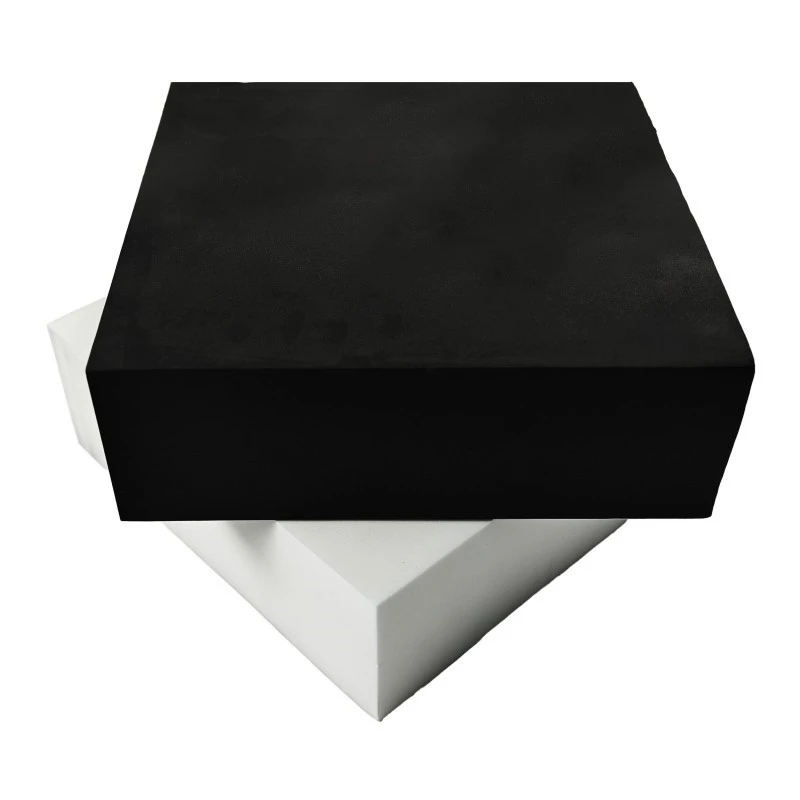
PE Foam
EPE, XPE, and IXPE cross-linked polyethylene foams for flooring underlay, automotive insulation, and shock absorption.

Rubber Foam (EPDM / CR)
Vulcanized synthetic rubber sponge sheets, rolls, and gaskets offering extreme weather resistance (-50°C to +150°C) and acoustic damping.
Partner with an Experienced PU Foam Manufacturer
Contact our engineering sales team today for material data sheets, custom insole prototypes, or factory-direct container quotes across China, Indonesia, and Vietnam.
Direct inquiry: info@firefoxfoam.com | +86-595-88888888
As one of the most experienced pu foam suppliers in China, we have world-leading production equipment and strong manufacturing capabilities. Please rest assured to wholesale customized pu foam from our factory. For price consultation, contact us.