


 250000㎡ Factory Area 90+ Press Machines & Equipments



Rubber Foam Manufacturer & Wholesale Supplier
Custom and wholesale closed-cell rubber sponge foam - EPDM, Neoprene (CR), NBR, and SBR sheets, continuous rolls, weatherstripping, and precision die-cut gaskets engineered for automotive, HVAC, construction, and industrial damping.

Wholesale Rubber Foam Supplier & Custom Sponge Rubber Manufacturer
Quanzhou Firefox New Material Co., Ltd. is a premier manufacturer and global exporter of high-performance closed-cell rubber foam solutions established in 1981. With production bases in China, Indonesia and Vietnam, we are a certified supply chain partner to international retailers and industrial leaders including Walmart, Target, LIDL and Costco. Our rubber foam catalog spans EPDM closed-cell sponge, Neoprene (CR), NBR nitrile foam, and heavy-duty vibration-damping rubber composite pads-engineered for extreme weatherability (-50°C to +150°C), zero moisture absorption, flame retardancy (UL94 HF-1/V-0), and high acoustic damping.
Over 40 years rubber expertise
Pioneering elastomer compounding, continuous vulcanization, and microcellular foaming engineering since 1981.
3 global production bases
Manufacturing facilities across China, Indonesia, and Vietnam providing strategic tariff mitigation and high-volume delivery.
Automotive & HVAC certified quality
Density, tensile strength, compression deflection, and thermal conductivity verified per ASTM D1056 and ISO standards.
End-to-end conversion (OEM / ODM)
Custom skiving (0.5mm–50mm), PSA adhesive backing, continuous extrusion, and high-speed rotary die-cutting to your CAD drawing.


Rubber Foam Factory Scale & Production Bases
Three international production bases operating under strict ISO quality management. Our multi-country manufacturing footprint enables flexible tariff optimization, short lead times, and continuous high-volume supply for global brands.
China - Quanzhou, Fujian
Headquarters and primary R&D center. Equipped with high-shear Banbury mixers, automated continuous vulcanization tunnels, and high-precision band-knife skivers.
Indonesia
High-volume mass production base serving Southeast Asia and global automotive assembly hubs, lowering landed costs and regional supply risks.
Vietnam
Dedicated export facility providing strategic tariff diversification for US and European tier-1 automotive, HVAC, and industrial gasket converters.
Inside Our Vulcanized Rubber Foam Lines
Advanced elastomer compounding, continuous vulcanization, precision splitting, and clean-room adhesive lamination lines.
Internal Banbury mixers
High-shear closed mixing lines ensuring uniform dispersion of EPDM/CR polymers, carbon black, and vulcanization accelerators.
Continuous vulcanizing tunnels
Multi-zone temperature-controlled hot air & microwave vulcanization tunnels producing closed microcells with zero skin blistering.
Precision band-knife splitting
High-speed German-engineered splitting machines calibrated to ±0.15mm tolerances for thin-gauge sheets down to 0.5mm.
Inline adhesive lamination
Automated hot-melt and pressure-sensitive adhesive (PSA) laminators applying scrim-reinforced and acrylic tapes.
What Is Rubber Foam (Sponge Rubber)?
Rubber foam-commonly referred to as closed-cell sponge rubber or cellular elastomer-is an engineered resilient material produced through the vulcanization and expansion of synthetic rubber polymers such as EPDM, Neoprene (CR), NBR, and SBR.
Unlike thermoplastic foams, rubber foam undergoes chemical cross-linking (vulcanization), creating an ultra-stable three-dimensional polymer network. This vulcanized cellular matrix delivers permanent elastic memory, extreme temperature stability (-50°C to +150°C), and resistance to compression set.
Engineered with millions of independent closed microcells containing trapped inert gas, rubber foam provides an impenetrable barrier against water, air, dust, and moisture under low compression forces. It is the premier choice for demanding automotive weatherstripping, building facade expansion joints, HVAC duct insulation, and heavy mechanical vibration isolation.
Who buys this product?
- Automotive weatherstripping & NVH component tiers
- HVAC duct insulation & refrigeration gasket converters
- Electrical enclosure (IP65/IP68) gasket fabricators
- Building facade & fenestration seal distributors
- Industrial machinery vibration damping engineers
- Sports flooring & artificial turf shock pad installers
Rubber Foam Products & Where They Are Used
We supply closed-cell sponge rubber in precision-split sheets, continuous weatherstripping rolls, heavy-duty gym mats, and engineered turf shock pads.

EPDM Closed-Cell Sponge Sheet
High-density black closed-cell EPDM sponge sheet engineered for automotive weatherstripping, HVAC duct seals, electrical enclosure gaskets, and industrial vibration dampening.

EPDM Weatherstripping Sponge Rubber
Flexible extruded and continuous coiled sponge rubber offering outstanding ozone, UV, and outdoor weather resistance for building facade seals, windows, and marine hatch gaskets.
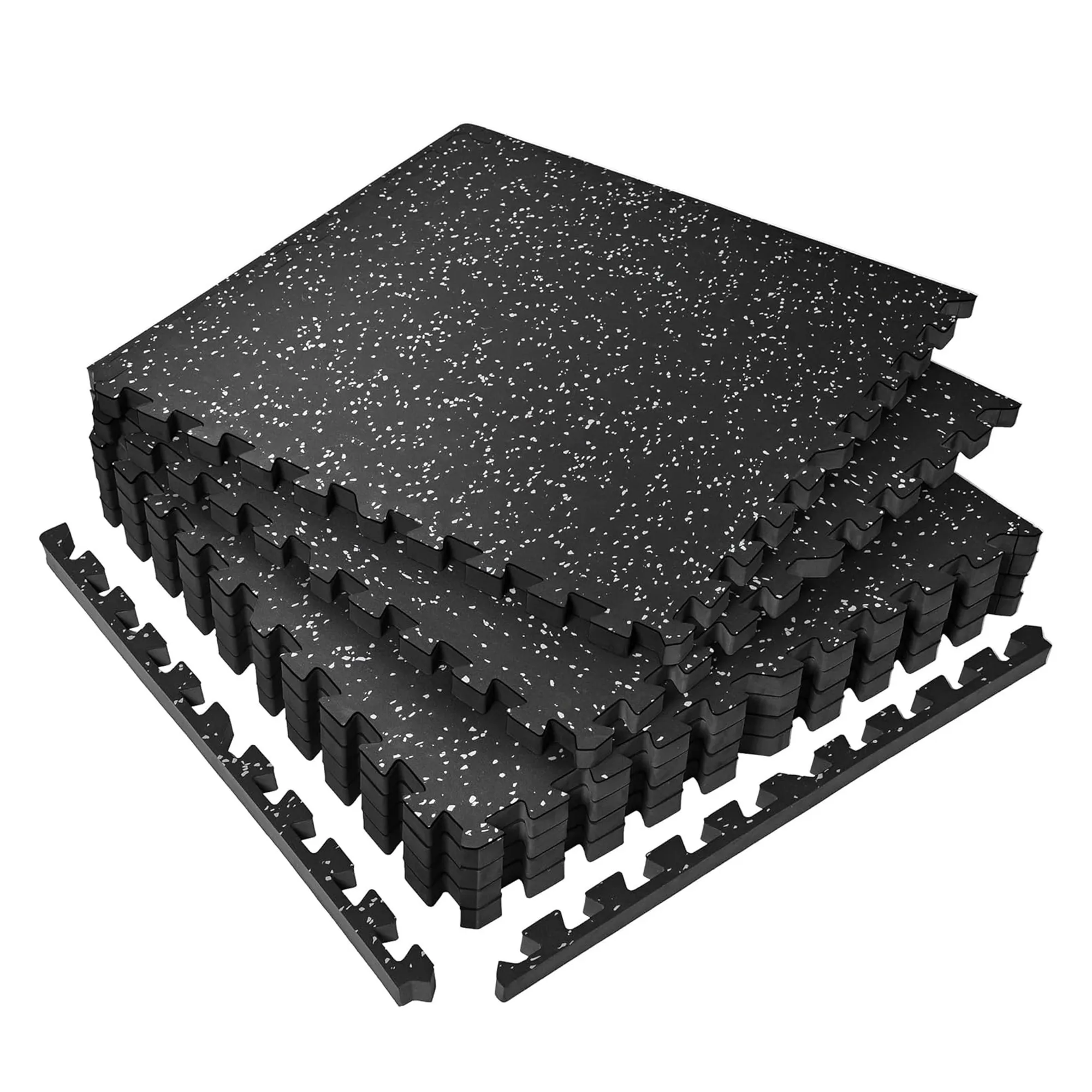
Heavy-Duty Rubber Gym Mat & Flooring
High-density vulcanized rubber & composite acoustic mats engineered for fitness centers, free-weight drop zones, and heavy industrial machinery vibration decoupling.

Rubber Shock Pad for Artificial Turf
Engineered multi-density rubber composite shock-absorbing underlayment for FIFA-compliant artificial turf athletic fields, playground safety surfacing, and sports arenas.
Where Rubber Foam Is Used
Matching synthetic rubber polymers to critical industrial operating environments:
Automotive & Transportation
Door and trunk weatherstrips, engine cowl seals, HVAC firewall gaskets, and acoustic NVH vibration damping pads.
HVAC & Refrigeration Systems
Thermal pipe insulation sleeves, air handler cabinet gaskets, condenser vibration isolators, and anti-condensation seals.
Electrical & Electronic Enclosures
IP65/IP66/IP68 weather-tight NEMA enclosure gaskets, lighting fixture seals, and electronic dust protection cushions.
Building & Construction Facades
Expansion joint filler strips, curtain wall glazing seals, roofing thermal breaks, and window acoustic draft seals.
Industrial Machinery Damping
Anti-vibration mount pads, heavy equipment isolation footings, generator base dampers, and conveyor impact buffers.
Sports Flooring & Turf Underlayment
Heavy-duty gym acoustic flooring, free-weight drop mats, and all-weather shock-absorbing pads for artificial turf fields.
What Are the Advantages of Rubber Foam?
Vulcanized synthetic rubber foam delivers long-term durability and sealing reliability under harsh environmental conditions where conventional plastic foams fail.
Superior weather & ozone resistance
EPDM sponge rubber withstands 20+ years of direct outdoor UV, ozone exposure, and extreme weather without cracking or hardening.
Watertight closed-cell sealing
Zero water absorption and low compression deflection ensure reliable air, dust, and waterproof barrier seals under low bolt torque.
Wide operating temperature
Remains flexible and elastic across extreme operating ranges from -50°C to +150°C (-58°F to +302°F).
High mechanical damping & isolation
High viscoelastic loss factor dissipates acoustic noise, structural harmonics, and heavy mechanical shock vibrations.
Rubber Foam Material Technical Data Sheet
Standard mechanical, thermal, and chemical resistance parameters across our primary rubber foam polymer grades. Custom hardness, density, and flame-retardant formulations available.
| Property / Parameter | EPDM Sponge Foam | Neoprene (CR) Sponge | NBR Nitrile Foam | Rubber Shock Pad (SBR) |
|---|---|---|---|---|
| Cell Structure | Closed-Cell Microcellular | Closed-Cell Microcellular | Closed-Cell Microcellular | Dense Cellular / Composite |
| Density Range (kg/m³) | 90 – 220 | 130 – 260 | 100 – 200 | 350 – 850 |
| Hardness (Shore 00 / C) | 25 – 65 Shore 00 | 30 – 70 Shore 00 | 30 – 60 Shore 00 | 45 – 75 Shore C |
| Tensile Strength (kPa) | ≥ 350 | ≥ 500 | ≥ 400 | ≥ 1,200 |
| Elongation at Break (%) | ≥ 180% | ≥ 200% | ≥ 160% | ≥ 100% |
| Compression Set (50%, 22h, 23°C) | ≤ 18% | ≤ 20% | ≤ 22% | ≤ 15% |
| Operating Temperature Range | -50°C to +150°C | -40°C to +120°C | -30°C to +110°C | -30°C to +90°C |
| Ozone & UV Resistance | Excellent (20+ yrs outdoor) | Good to Very Good | Moderate | Good |
| Oil & Fuel Resistance | Poor (Not Recommended) | Good (Moderate Splash) | Excellent (Continuous) | Moderate |
| Flame Retardancy Rating | FMVSS 302 / UL94 HF-1 | UL94 V-0 / UL94 HF-1 | UL94 HF-1 | Class B2 / Class E |
| Standard Thickness Range | 0.5 mm – 50 mm | 1.0 mm – 40 mm | 1.5 mm – 35 mm | 5.0 mm – 50 mm |
Rubber Foam (EPDM / CR) vs. EVA vs. PE vs. PU Foam
Compare vulcanized cellular elastomers against conventional thermoplastic and thermoset foams to select the right material for your application:
| Performance Metric | Rubber Foam (EPDM/CR) | EVA Foam | Cross-Linked PE (IXPE) | Polyurethane (PU) Foam |
|---|---|---|---|---|
| Polymer Category | Vulcanized Synthetic Rubber | Thermoplastic Copolymer | Cross-Linked Polyolefin | Thermoset Polyurethane |
| Outdoor Weather & Ozone | Superior (20+ years life) | Moderate (UV degrades) | Good (with UV additives) | Poor (Yellows / Hydrolyzes) |
| Max Temperature Limit | +150°C (302°F) | +80°C (176°F) | +90°C (194°F) | +100°C (212°F) |
| Compression Recovery | Excellent (≤15–18% set) | Good to Moderate | Moderate (≤25% set) | Variable by Grade |
| Water Sealing Efficiency | Superior (Low Torque Seal) | Moderate (Requires high load) | Good (Acoustic/moisture) | Poor (Open-cell breathes) |
| Mechanical Damping | High Loss Factor (Anti-Vibe) | Medium Rebound | Firm Impact Barrier | Soft Cushioning |
| Primary Applications | Auto/HVAC/Facade Seals | Footwear, Mats, Packaging | Flooring Underlay, Auto NVH | Furniture, Filter, Gaskets |
ASTM D1056 Standard Rubber Foam Classifications
We compound and fabricate sponge rubber meeting international ASTM D1056, JIS K6767, and automotive OEM engineering standards:
Grade 2A1 / 2C1 (Soft)
Compression deflection 14–35 kPa (2–5 psi). Ultra-conformable for delicate lighting seals, thin plastic enclosures, and hand-tightened access panels.
Grade 2A2 / 2C2 (Medium-Soft)
Compression deflection 35–65 kPa (5–9 psi). The industry standard for automotive door weatherstripping, HVAC duct flanges, and electrical cabinet gaskets.
Grade 2A3 / 2C3 (Medium)
Compression deflection 65–105 kPa (9–13 psi). High-recovery sealing for heavy bolted joints, building expansion gaps, and outdoor industrial machinery.
Grade 2A4 / 2A5 (Firm / High-Load)
Compression deflection >105 kPa (>13 psi). Structural load-bearing dampers, heavy machinery isolation footings, and bridge expansion joint fillers.
How We Manufacture Vulcanized Sponge Rubber
Our closed-loop vulcanization process ensures molecular-level polymer consistency, microcellular density uniformity, and tight caliper tolerances:
Polymer compounding
EPDM/CR synthetic raw rubber polymers compounded with carbon black, plasticizers, micro-blowing agents, and vulcanization activators in internal Banburys.
Continuous vulcanization
Extruded preforms enter multi-stage microwave and hot-air curing tunnels where foaming gas release and polymer cross-linking occur synchronously.
Precision skiving & splitting
Cured master buns and continuous rolls are sliced on laser-calibrated band-knife splitters to exact customer thicknesses from 0.5 mm up to 50 mm.
Adhesive backing & conversion
High-speed inline laminators apply pressure-sensitive acrylic or rubber adhesives (PSA), followed by automated CNC die-cutting and slit-to-width spooling.
Complete Customization Capabilities for Rubber Foam
From raw elastomer compounding to converted ready-to-assemble gaskets, we deliver full-scope OEM and ODM manufacturing services:
Custom polymer compounding
Tailored EPDM, CR, NBR, and SBR formulations engineered for specific oil resistance, UL94 flame ratings, or extreme low-temperature flexibility.
Precision thickness splitting
Custom thicknesses from 0.5 mm to 50 mm with tight ±0.15 mm tolerances. Continuous roll lengths up to 100m or custom sheet dimensions.
Adhesive lamination (PSA)
Single and double-sided adhesive lamination using 3M, Nitto, or proprietary modified acrylic tapes with scrim reinforcement.
CNC die-cutting & extrusion
Rotary die-cut gaskets, kiss-cut parts on continuous release liners, custom extruded profiles, and waterjet-cut complex 2D shapes.
Quality Assurance & Standard Laboratory Testing
Every master vulcanized roll is certified through batch-level testing in our ISO/IEC-compliant physical testing laboratory:
Ozone & UV aging chambers
ASTM D1149 chamber exposure (50 pphm ozone at 40°C for 72+ hours) verifying zero surface micro-fissuring or degradation.
Compression deflection & set
ASTM D1056 automated testing verifying 25% compression deflection force and 50% constant deflection recovery over 22 hours.
Water absorption testing
Submersion vacuum testing confirming closed-cell density and zero capillary moisture penetration (<3% max absorption).
Flammability & burn rate
UL94 horizontal/vertical flammability test chambers and FMVSS 302 automotive burn rate testers certifying flame ratings.
International Standards & Factory Certifications
Our production facilities and rubber foam formulations are certified to major global automotive, industrial, and safety standards:
ISO 9001 & ISO 14001
Certified quality management and environmental protection systems governing all raw material sourcing and production bases.
UL94 HF-1 & V-0 Flame Class
Underwriters Laboratories certified flame-retardant Neoprene (CR) and EPDM foam grades for electrical and mass transit use.
RoHS 3 & REACH SVHC
100% compliant with EU Directive 2015/863 (RoHS 3) and REACH SVHC candidate lists, free from toxic heavy metals and phthalates.
ASTM D1056 & FMVSS 302
Standard material test compliance for cellular sponge rubber and automotive interior cabin flammability resistance.
Export Packaging & Ocean Logistics Solutions
Engineered protective packaging ensures your rubber foam arrives flat, clean, and dimensionally stable at your global fabrication plants:
Continuous roll winding
Wound on heavy-duty 3-inch cardboard cores with tension control, protected by double-layer PE moisture-barrier film.
Flat sheet palletization
Flat-stacked on ISPM-15 heat-treated export pallets with top protective boards, corner edge guards, and stretch wrapping.
Carton & spool packing
Custom die-cut gaskets kiss-cut on release liners wound onto spools or packed flat in corrugated cartons with anti-static liners.
Multi-port shipping
Direct FCL/LCL ocean container loading from Xiamen (China), Jakarta (Indonesia), and Ho Chi Minh City (Vietnam).
What to Specify When Ordering Rubber Foam
To ensure rapid quoting and precise material matching, provide our technical sales team with the following key specifications:
Polymer grade
EPDM (weather/ozone), Neoprene CR (flame/general oil), NBR (fuel/petroleum), or SBR composite (high-load shock damping).
Density & hardness
Target density (e.g. 120 kg/m³) or ASTM D1056 grade (e.g. 2A2) and Shore 00 / Shore C hardness range.
Dimensions & format
Continuous roll width and length, flat sheet dimensions (e.g. 1m x 2m), thickness (e.g. 3.0mm ±0.15mm), or 2D CAD drawing.
Adhesive & conversion
None (plain), single-sided PSA, double-sided acrylic tape with scrim, kiss-cut on liner, or bulk die-cut pieces.
Environmental Stewardship & Clean Manufacturing
Firefox Foam is committed to responsible chemical management, energy efficiency, and zero hazardous emissions across all production stages:
Zero VOC & heavy metals
Formulations strictly eliminate lead, mercury, cadmium, hexavalent chromium, and halogenated blowing agents.
Closed-loop heat recovery
Vulcanization lines feature thermal regenerative oxidizers and exhaust heat recovery systems, reducing natural gas usage by 28%.
In-plant rubber scrap recycling
Uncured compounding trim and vulcanized skiving scrap are recycled into heavy-duty acoustic and sports shock pad composites.
Waterless vulcanization
Hot air and microwave tunnel curing eliminate industrial wastewater discharge during cellular expansion.
Proven Industrial Performance Across Global OEM Applications
See how tier-1 global manufacturers solve challenging sealing, thermal, and vibration damping requirements with Firefox Foam:
Tier-1 Automotive Door & HVAC Seals
Challenge: Electric vehicle manufacturer needed lightweight EPDM weatherstripping with UL94 HF-1 flame rating and -45°C cold flexibility.
Solution: Custom compounded closed-cell EPDM sponge with low compression set (<15%) and reinforced adhesive backing, reducing cabin wind noise by 4.2 dB.
Commercial HVAC Air Handler Gaskets
Challenge: Industrial chiller brand experienced air leakage and condensation around outdoor rooftop AHU cabinet joints.
Solution: High-density EPDM sponge rubber sheets with acrylic PSA backing providing IP66 air-tight sealing over 10+ years of severe weather.
Heavy Industrial Machinery Vibration Decoupling
Challenge: Factory manufacturing lines required vibration damping pads capable of supporting 400 kPa static loads while reducing acoustic transmission.
Solution: Heavy-duty composite SBR rubber shock pads installed beneath CNC stamping presses, isolating 88% of mechanical shock harmonics.
Technical Documentation & Laboratory Test Reports
Complete laboratory documentation, safety datasheets, and compliance records available for immediate download upon request:
- EPDM Closed-Cell Sponge Rubber Technical Data Sheet (TDS)
- Neoprene (CR) Flame-Retardant Sponge TDS & UL94 Test Certificate
- NBR Nitrile Rubber Fuel & Oil Resistance Test Dossier
- ASTM D1056 Material Property Classification & Test Report
- ASTM D1149 Ozone & Accelerated UV Weathering Certificate
- Material Safety Data Sheet (MSDS) & RoHS 3 Compliance Report
- Pressure-Sensitive Adhesive (PSA) Bonding Application Guide
- Heavy-Duty Rubber Shock Pad Dynamic Damping Analysis
Frequently Asked Questions About Rubber Foam
Comprehensive answers to technical, commercial, and engineering questions from gasket fabricators and procurement managers:
Request Rubber Foam Sample Swatch Book
Get a comprehensive sample kit including EPDM, Neoprene (CR), NBR, and SBR sponge swatches with PSA adhesive samples and technical datasheets.
Request Sample KitCustom Gasket & Tooling Consultation
Have a custom automotive, HVAC, or industrial sealing project? Send us your 2D/3D CAD drawings for immediate engineering review and quotation.
Talk to an EngineerRelated Foam Materials & Solutions
Firefox Foam manufactures a complete spectrum of closed-cell foams and converted products for diverse industrial applications:

EVA Foam
Closed-cell ethylene vinyl acetate sheets, blocks, and molded footwear components with customizable hardness from 20C to 80C.
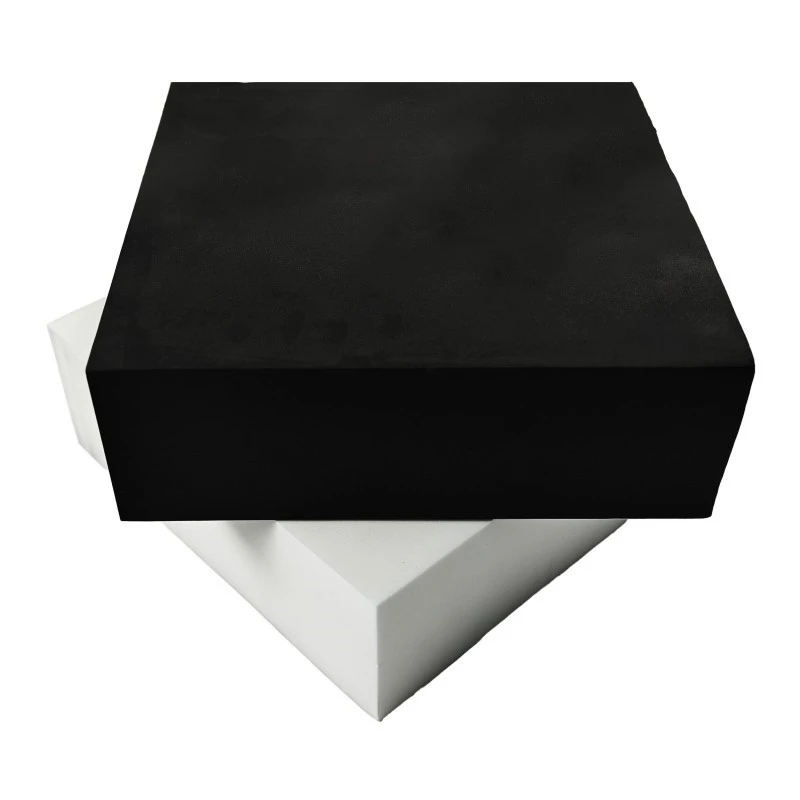
PE Foam
EPE, XPE, and IXPE cross-linked polyethylene foams for flooring underlay, automotive insulation, and shock absorption.

Supercritical Foam (SCF)
Next-generation physical nitrogen microcellular foams (scEVA, scTPU, scPEBA) delivering explosive rebound up to 85%+ for performance footwear.
Partner with an Experienced Rubber Foam Manufacturer
Contact our technical sales team today for material data sheets, ASTM D1056 test samples, or factory-direct container quotes across China, Indonesia, and Vietnam.
Direct inquiry: info@firefoxfoam.com | +86-595-88888888
As one of the most experienced rubber foam suppliers in China, we have world-leading production equipment and strong manufacturing capabilities. Please rest assured to wholesale customized rubber foam from our factory. For price consultation, contact us.